
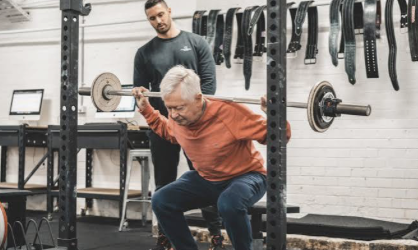
As we age, our bodies naturally change. Our strength, mobility, and balance may decline. We can lose muscle and power, our bones can become weaker, and it may take longer to recover from physical activity. While these changes are a normal part of aging, they are not completely out of our control. Consistent exercise, especially strength training, can slow these declines and help us remain active and independent.
Regardless of when someone starts, strength training can provide significant benefits. For older adults aged 65 and over, it can improve strength and stability while reducing the risk of falls. This is especially important because a fall can have serious consequences. A fracture or other injury may lead to a long period of inactivity, loss of strength, and reduced independence. Building strength before these events occur can help older adults feel more confident and capable in their daily lives.
Regular exercise benefits nearly every part of the body, including our muscles, bones, heart, and brain. Strength training helps preserve muscle, which is valuable for more than lifting weights in the gym. It also makes everyday activities such as getting up from the floor or carrying groceries easier.
Strength training can also help maintain bone strength by placing a safe amount of pressure on the bones. This becomes increasingly important as we age because stronger muscles and bones may reduce the risk and severity of an injury if a fall occurs. While strength training cannot eliminate the risk of a fracture, it gives the body a stronger foundation for handling daily physical demands.
Exercise also supports joint health and mobility. Strong muscles around the joints provide support and stability, allowing us to move more comfortably and confidently. For older adults experiencing joint stiffness or discomfort, improving strength and mobility can make everyday movements feel easier.
Older adults should aim for two to three full-body strength sessions each week. A well-designed program should include exercises for all major muscle groups while also developing stability, coordination, balance, and mobility. Together, these skills improve the physical abilities needed in everyday life. For example, sitting down onto a box or bench and standing back up builds lower-body strength and coordination, making it easier to get in and out of a chair. Carrying weights while walking can improve grip, core strength, and balance, making it easier to carry grocery bags. Exercises that connect directly to daily life are especially valuable for older adults.
Strength training is important, but it is only one piece of the puzzle. Balance training also plays a major role in reducing fall risk. Although balance often declines with age, it is a skill that can be practised and improved. Simple exercises, such as standing on one leg while holding stable support, can be included in a strength workout. More challenging stepping and movement exercises can be added as the person improves.
The program should begin at a level that matches the person’s comfort and experience. Feeling safe and confident with new exercises is important for preventing injury and staying consistent. Workouts may include free weights, machines, or resistance bands depending on the person’s needs, with the challenge gradually increasing over time.
Some people believe strength training is dangerous or too intense for older adults, but that is not true. With proper guidance and coaching, it can play a major role in maintaining independence, supporting long-term health, and helping people continue doing the activities that matter most to them.
Aging is inevitable, but losing strength, mobility, and independence does not have to happen as quickly as it otherwise might. It is never too late to begin strength and balance training and your future self will be thankful for the consistent effort you put into your physical health.
