
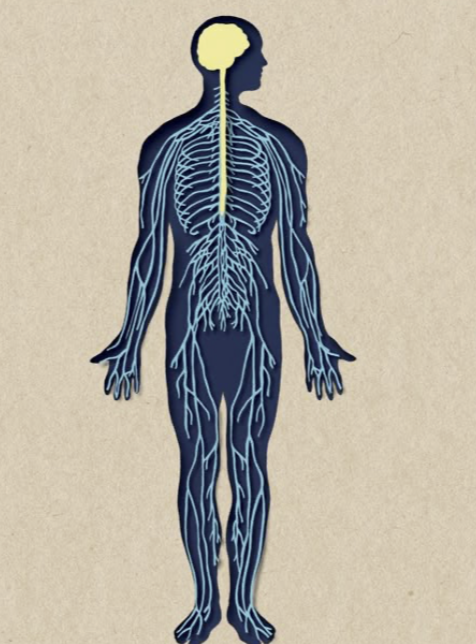
In the health and wellness space, nervous system regulation has become increasingly popular. But what does that actually mean, and how does it affect our day-to-day lives? As we know, exercise positively benefits all systems in the body, and the nervous system is no exception. One key benefit of movement is its ability to help us respond to stress, recover more effectively, and maintain the connection between our brain and body.
Our nervous system has two main branches that shape how our bodies respond to stress and relaxation: the sympathetic (“fight or flight”) and parasympathetic (“rest and digest”) nervous systems.
Our “fight or flight” response prepares our body to respond to a challenge. During exercise, our heart rate and breathing increase, and our body prepares to meet the physical demands of a workout. On the other hand, our “rest and digest” response helps our body return to a calmer state, allowing us to relax and recover. Both responses are essential to our health. The goal isn’t to keep our bodies in a constant state of relaxation, but to develop the ability to respond to challenges and return to recovery when needed, based on whatever challenges life puts in front of us each day.
When we exercise, we turn on the sympathetic nervous system. This is a normal and healthy response to physical exertion. Our nervous system connects the motor cortex of the brain to our muscles, enabling voluntary muscle contractions; in other words, this is how we initiate movement. Think about performing a squat, balancing on one leg, or learning a new exercise. Your brain and body work together to maintain balance, stability and proper movement patterns. The nerves in our muscles constantly send signals to our brain during exercise, giving it information about where our body is in space. However, this connection slows with age and changes how our body moves, reacts, and adapts to exercise. These nervous system changes can reduce reaction time, balance, and coordination; however, regular physical activity can help support these abilities and maintain functional independence as we age.
As mentioned, exercise activates our fight or flight response, and although this may seem bad, it teaches the body to process and recover from all forms of stress more efficiently, making it more resilient over time. When we experience ongoing stress from work, poor sleep, or consistently pushing ourselves too hard in the gym, our bodies may struggle to recover, and the nervous system can become dysregulated as we remain in a prolonged “fight or flight” state. You might notice changes in mood, energy, sleep or motivation to work out. Even workouts that normally feel manageable may suddenly feel much harder than usual. These are signs that your body needs more recovery. This is where exercise programming and recovery become particularly important, because more is not always better; the key is finding a balance between challenging the body and giving it enough time to recover and adapt. A good way to think about this is that your workouts provide the stimulus for change and adaptation to occur, but real progress happens when your body has the time to recover. If you are constantly feeling exhausted or noticing that your performance is declining, it may not be a sign to push harder. Instead, your body may need more rest, better sleep, proper nutrition and a reduction in training intensity. When we learn to recognize these signs and adjust accordingly, this allows for better quality training and more sustainable habits that support your goals without leaving you feeling constantly depleted.
The nervous system is a complex, crucial system that influences everything from how we move and respond to our environment to how we experience stress and recover. Exercise is more than a tool for building strength and improving cardiovascular fitness; it also supports the connection between our brain and body, maintains coordination and balance, and improves our capacity to manage both physical and psychological stress. At the end of the day, nervous system regulation is not about completely eliminating stress. It is about developing the ability to adapt to challenges and return to a state of rest and recovery when needed. In other words, the goal is to create resilience when facing challenges and bouncing back from stress while giving yourself enough time for rest and recovery.
