
It’s that time of year when the days are getting shorter and shorter; for many people, this may be the onset of the “winter blues”. As the winter blues get more serious, they are referred to as Seasonal Affective Disorder (SAD). SAD is a form of depression that occurs during specific seasons of the year. People are typically most affected in the fall and winter; however, some individuals may feel the seasonal blues starting in the spring and summer. These are known as winter-pattern SAD and summer-pattern SAD, respectively. Research shows that SAD tends to affect women more often than men, and the risk increases with age.
What Causes SAD?
It is thought that the shorter days and reduced daylight cause chemical changes in the brain that are responsible for the symptoms of SAD. When it is dark, our bodies naturally produce more melatonin, the primary hormone that regulates sleep. This is thought to be one of the potential causes for SAD, as increased melatonin production can make you feel tired and sluggish. At the same time, reduced sunlight leads to depleted vitamin D levels, which have a major impact on serotonin production. Serotonin is a neurotransmitter that regulates our mood and energy levels. Low levels of serotonin can be linked to feelings of sadness, fatigue, and loss of motivation, and are also thought to be an underlying cause of SAD.
There are many symptoms associated with SAD, and they include increased sleep, loss of interest in activities that one previously enjoyed, social withdrawal, grouchiness and anxiety, feeling of guilt, excessive tiredness, reduced ability to focus, trouble thinking clearly, and increased appetite, specifically cravings for carbohydrates and sugar. It’s important to note that symptoms will vary from person to person, so monitor these changes based on your typical energy levels.
The most effective ways to combat SAD include light therapy, regular exercise, maintaining a balanced diet, and fostering social connections.
Light Therapy
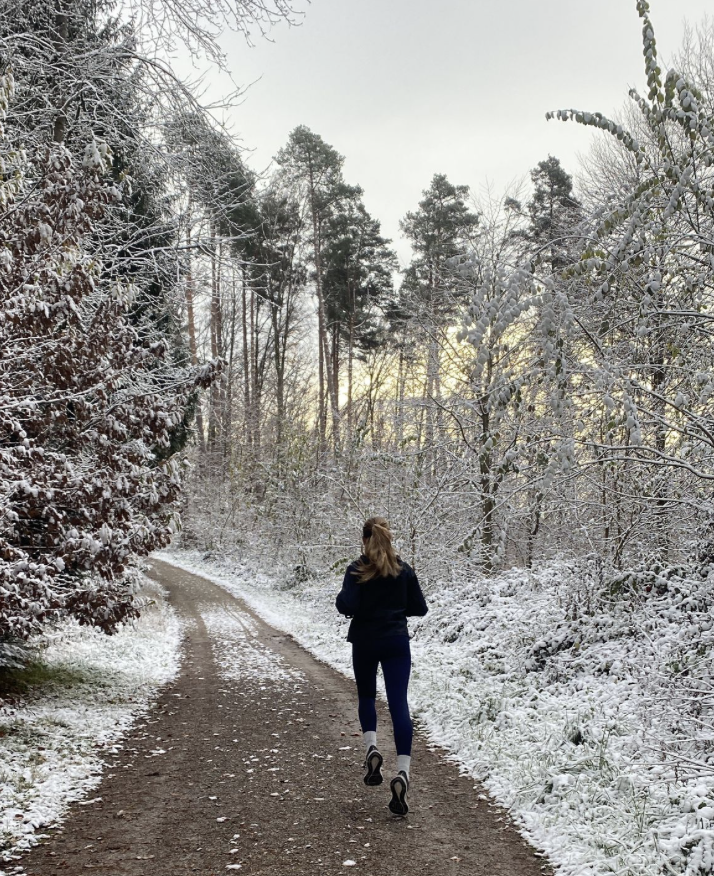
One of the most recommended treatments is to increase your exposure to light. The best way to increase light is to get outdoors in the morning, even on cloudy days. Going for an outdoor walk first thing in the morning can help regulate our circadian rhythm and suppress melatonin production, helping us feel more alert and awake.
On days when natural sunlight isn’t an option, a light box can help to stimulate the same pathways in the brain. A light box is a very bright light that is a more targeted therapy for SAD. A “sunrise alarm clock” can be another helpful tool because it mimics the sunrise, making it easier to wake up on those dark winter mornings. The key to light therapy (whether natural or synthetic) is timing; it is best to use it as early in the day as possible to suppress melatonin production and help regulate our circadian rhythm.
Exercise
As we know, regular exercise is one of the best tools to support good mental health, and that is the case for SAD. As we know, exercise releases endorphins, including dopamine and serotonin. Regular exercise also helps us manage our day-to-day stress more effectively and improve our sleep quality, which can further support our energy levels during the fall and winter. The good news here is that whether you prefer strength training or aerobic exercise, both are effective in combating the winter blues. Exercising with a friend or trainer can add extra social connection, which is another key factor in fighting SAD.
Nutrition and Supplement Support
A balanced diet plays a key role in maintaining our energy levels day to day. While cravings for sugar and carbohydrates may increase, focus on consuming minimally processed whole foods and protein-rich meals to help support the production of our “feel-good” neurotransmitters (dopamine and serotonin).
In the wintertime, our Vitamin D levels tend to drop significantly. This is important because of Vitamin D’s role in hormone and neurotransmitter activity. Not only does Vitamin D help support dopamine transport, but it is also associated with serotonin production. Vitamin D can be especially beneficial for those with a deficiency (which is common among many of us) and can help improve mood, increase energy levels, and support motivation.
Social Interaction
When it’s cold and dark outside, it can be tempting to avoid social plans with the goal of “hibernating”. However, social isolation tends to exacerbate symptoms of SAD. Spending time with loved ones can help stimulate our minds and boost our mood. Positive social interactions cause a release of endorphins as well as oxytocin, which is why social connection helps combat feelings of SAD. Scheduling regular get-togethers with friends and family can help you feel emotionally supported through the winter months.
While SAD cannot always be prevented, taking early action and adopting consistent healthy habits can make a significant difference. If you know you’re prone to the winter blues, you can implement these strategies as soon as the season starts to change. The winter months can be tough, but remember to lean on your support systems, including the Method community. By being proactive, we can maintain both our mental and physical strength through the dark and cold season.
